Main guide in Health & Benefits
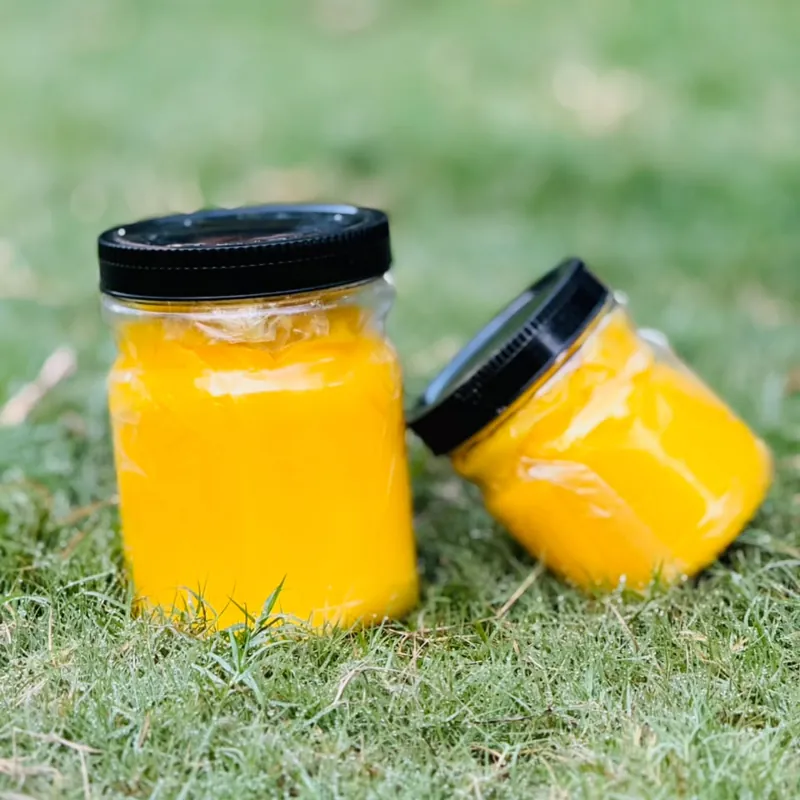
Ask any elder in a Pakistani family about desi ghee and you’ll hear about strength, warmth and good health. Ghee has been part of South Asian cooking for thousands of years. With so much information online now, though, it’s hard to tell useful facts from exaggeration. This guide goes through desi ghee benefits honestly: what ghee actually offers, how it has traditionally been used, and how to fit it sensibly into your diet.
Important: This article is general information only. Ghee is a food, not a medicine. If you have a medical condition, please talk to your doctor about your diet.
What Is Desi Ghee?
Desi ghee is clarified butter. The traditional way is to set milk into yogurt, churn the yogurt to get butter, then cook the butter slowly until the water evaporates and the milk solids separate. What’s left is almost pure butterfat. Since most of the water and milk solids are gone, ghee keeps well and has a rich, nutty flavour. There’s more detail in how desi ghee is made at home.
Nutrition in Desi Ghee
Ghee is mostly fat. A tablespoon carries a good number of calories, mainly from saturated fat, with smaller amounts of monounsaturated and polyunsaturated fat. It also has fat-soluble vitamins, chiefly vitamin A, plus smaller amounts of vitamins E and K. The exact levels depend on the milk and the season. Ghee naturally contains butyric acid, a short-chain fatty acid, and conjugated linoleic acid (CLA), both of which researchers have taken an interest in.
Because it’s so calorie-dense, a little goes a long way.
1. A Source of Energy and Fat
The body needs fat for energy, for building cells and for absorbing some vitamins. Ghee is a concentrated energy source. That’s partly why it was traditionally given to people doing hard physical work, and why it shows up so much in winter food. In moderation it can sit within a balanced diet alongside vegetables, whole grains, pulses and protein.
2. Helps Absorb Fat-Soluble Vitamins
Vitamins A, D, E and K are fat-soluble, so the body absorbs them better when they’re eaten with some fat. A little ghee on sabzi, daal or saag helps you get more out of the vitamins in that food. This is true of dietary fats in general, not only ghee.
3. High Smoke Point for Cooking
With the milk solids removed, ghee has a higher smoke point than butter, which makes it good for tarka, frying and roasting. Once a fat goes past its smoke point it starts to break down and form unwanted compounds. Ghee holds up well at normal desi cooking temperatures, one reason it has been the traditional cooking fat in our region.
4. Long Shelf Life Without Refrigeration
Properly made ghee has very little water or milk solids, so it stays good at room temperature for a long time if you store it correctly. That made it practical before fridges were common, and it’s still convenient today.
5. Often Easier for People Sensitive to Lactose
Cooking removes most of the milk solids, including lactose and casein. Many people who are sensitive to lactose find ghee easier to tolerate than milk or butter. Trace amounts can remain, though, so anyone with a true milk allergy should avoid it unless their doctor says otherwise.
6. Traditionally Used for Digestion
In traditional South Asian practice, including Ayurveda and ordinary household wisdom, ghee has long been used to help digestion, for example a spoon with food or in warm milk. Some research has looked at butyric acid and gut health, but much more is needed. We mention this as a traditional use, not a proven treatment. If you have digestive problems, see a doctor.
7. Flavour and Satisfaction
This is the one nobody argues about: ghee makes food taste good. A small amount adds aroma and richness, so you probably need less than you think. Food that feels satisfying can also help with portions, since you’re less likely to keep snacking afterwards.
8. Traditional Uses for Skin and Hair
Plenty of Pakistani families put ghee on dry lips, cracked heels or dry skin in winter, and some use it for a hair massage. These are home remedies passed down in families. If you have a skin condition, see a dermatologist.
9. A Winter Tradition
In winter, desi ghee goes into pinni, panjiri, gajar ka halwa and saag. These filling, energy-rich foods have long been part of cold-weather eating in Punjab and the north. Read more in desi ghee in winter.
How Much Desi Ghee Should You Eat?
There’s no single right amount. It depends on your age, activity level, weight and health. Many nutrition guidelines recommend limiting saturated fat. For most healthy adults that means using ghee in moderation, say one to two teaspoons a day as part of your total fat intake, rather than adding it freely to every meal. If you have high cholesterol, heart disease or diabetes, or you’re trying to lose weight, speak to your doctor or a registered dietitian. Our article on desi ghee and cholesterol covers this in more detail.
Claims to Be Careful About
You’ll find claims online that desi ghee “cures” diseases, “melts belly fat” or “boosts immunity overnight”. Reliable evidence doesn’t back any of these up. Ghee is a nutritious traditional food, but no single food cures illness, and you should be wary of any seller who says it does.
Why Purity Matters
Everything above applies to real ghee. If it’s been mixed with banaspati or vegetable oil, you could be eating trans fats or other fats you never chose. So buy from a source you trust, and learn how to tell pure ghee from fake.
At AsalGhee we make ghee only from homemade butter, slow-cooked in small batches, with nothing added. You’ll find our pure desi ghee in the shop, and delivery details on the desi ghee in Islamabad page.
Frequently Asked Questions
Is desi ghee better than cooking oil?
They’re different. Ghee is high in saturated fat, while many vegetable oils are higher in unsaturated fats. Using a mix of fats in moderation is a sensible approach. Ask your doctor what suits you.
Can I eat desi ghee every day?
Many healthy people have a small amount every day. Keep it moderate, and if you have a medical condition, check with your doctor.
Does desi ghee make you fat?
Eating more calories than you need from any food can lead to weight gain. Ghee is calorie-dense, so portion size matters.
How do I know my ghee is pure?
Try a few simple home tests and buy from a source you trust. See our guide on how to check pure desi ghee.
Is ghee good for children?
Many families give children small amounts. Please ask your paediatrician first, especially for infants. See desi ghee for babies and kids.
اردو خلاصہ
دیسی گھی توانائی اور چکنائی کا ذریعہ ہے، چکنائی میں حل ہونے والے وٹامنز کو جذب کرنے میں مدد دیتا ہے اور پکانے کے لیے موزوں ہے۔ لیکن یہ دوا نہیں بلکہ غذا ہے، اس لیے اعتدال سے استعمال کریں۔ کسی بیماری کی صورت میں اپنے ڈاکٹر سے مشورہ ضرور کریں۔