Part of our guide: Desi Ghee Benefits: An Honest Guide to Pure Ghee
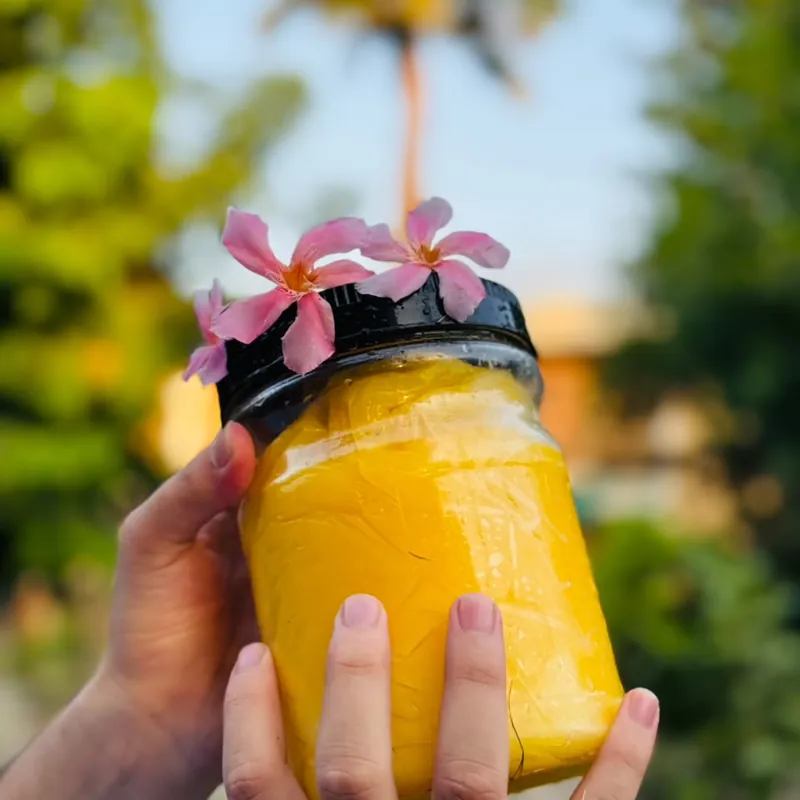
In a lot of Pakistani homes, one of the first things a grandmother adds to a baby’s khichdi is a little desi ghee. Parents today still follow this, but they also ask good questions. Is it safe? When should it start? How much is enough? In this post on desi ghee for babies and kids, we share what families traditionally do, some general nutrition information, and why your child’s doctor should always have the final word.
Important: This article is general information, not medical advice. Every child is different. Please talk to your paediatrician before giving ghee or any new food to your baby, especially if your child was born premature, has a milk allergy, digestive problems or any medical condition.
Why Do Families Give Ghee to Children?
Ghee has been part of children’s food in South Asia for a long time, for a few practical reasons:
- Energy: Young children grow fast and need enough calories. Fat is a concentrated source of energy, and small stomachs can only hold so much.
- Fat for growth: Dietary fat matters for a growing child’s development, including the brain and nervous system. Health organisations generally advise that young children should not be on a low-fat diet unless a doctor recommends it.
- Vitamin absorption: Fat helps the body absorb vitamins A, D, E and K from food.
- Taste: A little ghee makes plain food like porridge or mashed vegetables easier to sell to a fussy eater.
- Tradition: Our mothers and grandmothers did it, and most of us grew up on it.
When Do Parents Start Desi Ghee for Babies?
For the first six months, health organisations such as the World Health Organization recommend exclusive breastfeeding (or formula when advised). Solid food usually starts at around six months. Many families add a very small amount of ghee to baby food once solids have started and the baby is handling basic foods well. The right time still depends on your baby, so please discuss it with your paediatrician first.
How Much Ghee for Babies and Kids?
There is no single correct amount for every child. Families usually start with a few drops or a small part of a teaspoon mixed into food, and increase slowly as the child grows. For toddlers and older children, ghee is one part of the total fat in a balanced diet that also includes milk, yogurt, eggs, pulses, fruit and vegetables. Your doctor can guide you on amounts based on your child’s age, weight and growth.
More is not better. Too much fat of any kind fills a child up and leaves less room for other food they need.
Simple Ways to Use Ghee in Children’s Food
For Babies (after starting solids, with your doctor’s approval)
- A few drops in moong daal khichdi
- Mixed into mashed potato, sweet potato or pumpkin
- Stirred into semolina or broken wheat porridge
- Added to mashed rice and daal
For Toddlers and Older Kids
- A little ghee on a soft roti or paratha
- A ghee tempering on daal
- Vegetable rice cooked with a spoon of ghee
- Homemade sooji halwa now and then
- Roasted fox nuts, or dry fruit lightly toasted in ghee. Whole nuts are a choking risk for young children, so grind or chop them finely.
Safety Tips for Parents
- Ask your paediatrician first, especially for babies under one year.
- Milk allergy: Ghee is made from milk. Most milk proteins are removed, but traces may remain. If your child has a confirmed milk protein allergy, do not give ghee without medical advice.
- Introduce one new food at a time and watch for any reaction such as rash, vomiting or diarrhoea.
- Do not give ghee in a bottle or as a “medicine”. It should be part of food.
- Avoid very hot ghee. Let food cool before serving.
- Use pure ghee only. Adulterated ghee can contain banaspati or oils you would not want your child to eat. See how to tell pure ghee from fake.
- Hygiene: Use a clean, dry spoon and keep the jar closed.
Some Traditional Practices Doctors Advise Against
A few old practices involving ghee are not supported by modern medical advice. For example:
- Putting ghee in a newborn’s mouth as a first feed: Doctors generally advise against giving a newborn anything other than breast milk.
- Putting ghee in the nose or ears: This can be harmful and is not recommended.
- Using ghee on the umbilical cord: Medical advice is to keep the cord clean and dry.
We respect tradition, but your baby’s safety comes first. When in doubt, ask your doctor.
Ghee for Baby Massage
Some families use ghee or oil for baby massage. If you do, use a small amount, test it on a small patch of skin first, and stop if a rash appears. Check with your doctor if your baby has eczema or sensitive skin.
What Kind of Ghee Is Best for Kids?
For children, what matters most is that the ghee is pure: made only from butter, with no banaspati, oil or added colour. Our pure desi ghee is made this way, from fresh milk. Start with a small amount and see how your child takes to it. You can also read how to check pure desi ghee at home.
Choosing Pure Ghee for Your Family
At AsalGhee, we make our ghee only from homemade butter churned from yogurt, slow-cooked in small batches, with no banaspati, oil, colour or preservatives. If you are trying it for the first time, start with the 500g jar from our shop. Delivery takes 3 to 5 days. See desi ghee in Rawalpindi for delivery areas.
Frequently Asked Questions
Can I give desi ghee to my 6-month-old baby?
Many families start a small amount after solids are introduced, but please ask your paediatrician first. Every baby is different.
Does ghee help babies gain weight?
Ghee adds calories, which is why some families use it for underweight children. Weight concerns should still be checked by a doctor, who can find the cause and suggest the right diet.
Is ghee better than oil for children?
Both can be part of a child’s diet. A mix of fats from different sources is generally a sensible approach. Ask your doctor or dietitian.
Can ghee cause constipation or diarrhoea in babies?
Any new food can affect digestion. Start with a tiny amount and watch your child. Contact your doctor if you notice any problems.
My child has a milk allergy. Can they have ghee?
Do not give ghee without your doctor’s advice, as traces of milk protein may remain.
اردو خلاصہ
بہت سے گھرانوں میں بچوں کی خوراک میں تھوڑا سا دیسی گھی شامل کیا جاتا ہے کیونکہ یہ توانائی اور چکنائی کا ذریعہ ہے۔ لیکن چھوٹے بچوں کو گھی دینے سے پہلے اپنے بچوں کے ڈاکٹر سے ضرور مشورہ کریں، خاص طور پر اگر بچے کو دودھ سے الرجی ہو۔ ہمیشہ خالص گھی استعمال کریں۔