Part of our guide: Desi Ghee Benefits: An Honest Guide to Pure Ghee
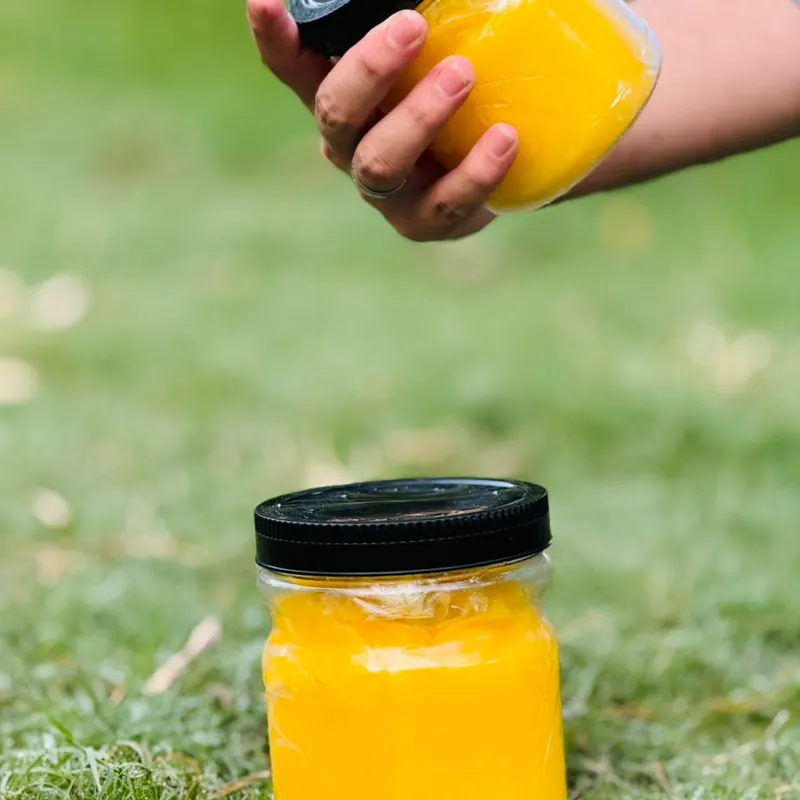
“Don’t eat ghee, your cholesterol will go up.” Most of us have heard that from a doctor, a relative or a friend. Meanwhile social media is full of posts calling desi ghee a “superfood” that’s safe in any amount. No wonder people are confused. In this article on desi ghee and cholesterol, we try to give a fair, honest picture based on general medical consensus, without scaring you and without overselling.
Please note: We sell desi ghee, so we’re trying to be extra careful here. This is general information, not medical advice. If you have high cholesterol, heart disease, diabetes, high blood pressure or a family history of heart problems, follow your doctor’s advice about fats.
First, What Is Cholesterol?
Cholesterol is a waxy substance your body needs to build cells and to make some hormones and vitamin D. Your liver makes most of what you need. It travels in the blood in particles called lipoproteins:
- LDL (low-density lipoprotein): often called “bad” cholesterol, because high levels are linked with build-up in the arteries.
- HDL (high-density lipoprotein): often called “good” cholesterol, because it helps carry cholesterol away.
- Triglycerides: another kind of blood fat, often pushed up by sugar, refined carbohydrates, alcohol and excess calories.
What Is in Ghee?
Ghee is almost pure milk fat, and a large share of that fat is saturated fat. It also contains dietary cholesterol, some monounsaturated fat, small amounts of polyunsaturated fat, and compounds such as butyric acid and conjugated linoleic acid (CLA).
What Does General Medical Consensus Say?
Major health bodies, including the World Health Organization and many national heart associations, generally recommend limiting saturated fat. In many people, eating more saturated fat goes along with higher LDL cholesterol. A lot of guidelines suggest keeping saturated fat to a small share of daily calories and swapping some of it for unsaturated fats from nuts, seeds, fish and vegetable oils.
Ghee is high in saturated fat, so that advice applies to it. It doesn’t make ghee “poison”. It means the amount matters.
Research on ghee specifically is limited and the results vary. Some studies in South Asian populations haven’t found clear harm from moderate intake, while others raise concerns about high intake. Researchers also point out that overall diet, activity, weight, smoking and genetics have a big effect on heart health. With the evidence this mixed, moderation is the safest general approach.
Myth 1: “Desi ghee has zero effect on cholesterol.”
Fact: Ghee is high in saturated fat, which can raise LDL cholesterol in many people when eaten in large amounts. People respond differently, but saying it has no effect isn’t accurate.
Myth 2: “Ghee is worse than everything else.”
Fact: Many health experts worry more about trans fats, found in some partially hydrogenated fats such as certain types of banaspati and in some fried and bakery foods. Trans fats are widely considered harmful to the heart. Pure ghee has no industrial trans fats, only small amounts of trans fats that occur naturally in milk fat. That’s one reason pure ghee is a better choice than ghee mixed with low-quality banaspati.
Myth 3: “If I eat ghee, I must have high cholesterol.”
Fact: Blood cholesterol depends on a lot of things: genetics, weight, activity, sugar intake, smoking, thyroid function and your diet as a whole. Some people eat ghee and have normal cholesterol. Others avoid it and still have high levels. Only a blood test (lipid profile) can tell you where you stand.
Myth 4: “Our grandparents ate lots of ghee and were healthy, so it’s fine for us.”
Fact: Many of our grandparents did hard physical work every day, farming, walking long distances and carrying loads. They also ate far less processed food, sugar and packaged snacks. Most of us now sit at desks, drive everywhere and eat more processed food. The same amount of ghee in a very different lifestyle can have a different effect.
Myth 5: “Homemade ghee doesn’t raise cholesterol, only market ghee does.”
Fact: Pure homemade ghee is better than ghee mixed with banaspati or oil. But all real ghee is still mostly milk fat with a high proportion of saturated fat. Purity matters, and so does how much you eat. See how to tell pure ghee from fake.
Myth 6: “Vegetable oil is always healthier than ghee.”
Fact: Many liquid vegetable oils are lower in saturated fat, which is why guidelines tend to favour them. But oils aren’t all the same, and oil that’s reheated again and again, as often happens with street food, can form harmful compounds. A mix of fats, with an eye on quality and quantity, is usually the balanced approach.
Practical Tips: Enjoying Ghee Sensibly
- Measure, don’t pour. Use a teaspoon so you know how much you’re eating.
- Use ghee for flavour, not volume. A small tarka on daal gives plenty of taste.
- Mix your fats. Use ghee in some dishes and a healthy oil in others.
- Look at the whole plate. Fried food, sweets, white bread and sugary drinks affect heart health too.
- Eat fibre. Vegetables, fruit, whole grains, oats and pulses are generally good for the heart.
- Stay active. Regular walking or exercise is one of the best things you can do for your heart.
- Check your numbers. Adults should get a lipid profile when their doctor advises, especially after 40 or with a family history.
- Choose pure ghee. If you eat ghee, make sure it isn’t mixed with banaspati or low-quality fats. Learn how to spot fake ghee.
Who Should Be Extra Careful?
Please talk to your doctor before eating ghee regularly if you have:
- High LDL cholesterol or high triglycerides
- Heart disease, or a past heart attack or stroke
- Diabetes
- Obesity
- A strong family history of early heart disease
- Familial hypercholesterolaemia (an inherited cholesterol condition)
Your doctor may tell you to limit ghee or avoid it, and that advice comes first.
Our Honest View
We think desi ghee is a lovely traditional food that many healthy people can enjoy in moderation. We don’t think it’s a miracle food, and we will never claim it “lowers cholesterol” or “cures” anything. If you do eat ghee, choose pure ghee and eat it sensibly.
AsalGhee is made only from homemade butter, slow-cooked in small batches, with nothing added. Have a look at our ghee in the shop, or see desi ghee in Islamabad for delivery details. For more on what ghee offers, read about the benefits of desi ghee.
Frequently Asked Questions
Does desi ghee increase cholesterol?
Ghee is high in saturated fat, which can raise LDL cholesterol in many people when eaten in large amounts. Moderation is advised. Ask your doctor about your own situation.
Can a cholesterol patient eat desi ghee?
That depends on your levels, your overall health and your doctor’s advice. Many doctors recommend limiting saturated fat for people with high cholesterol.
Is ghee better than banaspati for the heart?
Many experts see industrial trans fats, found in some partially hydrogenated fats, as particularly harmful. Pure ghee has no industrial trans fats, but it’s still high in saturated fat and should be used in moderation.
How much ghee is safe per day?
There’s no single number for everyone. Many healthy adults use one to two teaspoons a day as part of their total fat intake. Your doctor or dietitian can advise you personally.
Does any special type of ghee lower cholesterol?
There’s no strong, reliable evidence that any type of ghee lowers cholesterol. Be wary of anyone who says so.
اردو خلاصہ
دیسی گھی میں سیچوریٹڈ چکنائی زیادہ ہوتی ہے جو زیادہ مقدار میں کھانے سے کئی لوگوں میں کولیسٹرول بڑھا سکتی ہے۔ اعتدال سے استعمال، متوازن غذا اور ورزش اہم ہیں۔ اگر آپ کو کولیسٹرول، دل یا شوگر کا مسئلہ ہے تو گھی کے استعمال کے بارے میں اپنے ڈاکٹر سے ضرور مشورہ کریں۔