Main guide in Purity & Quality
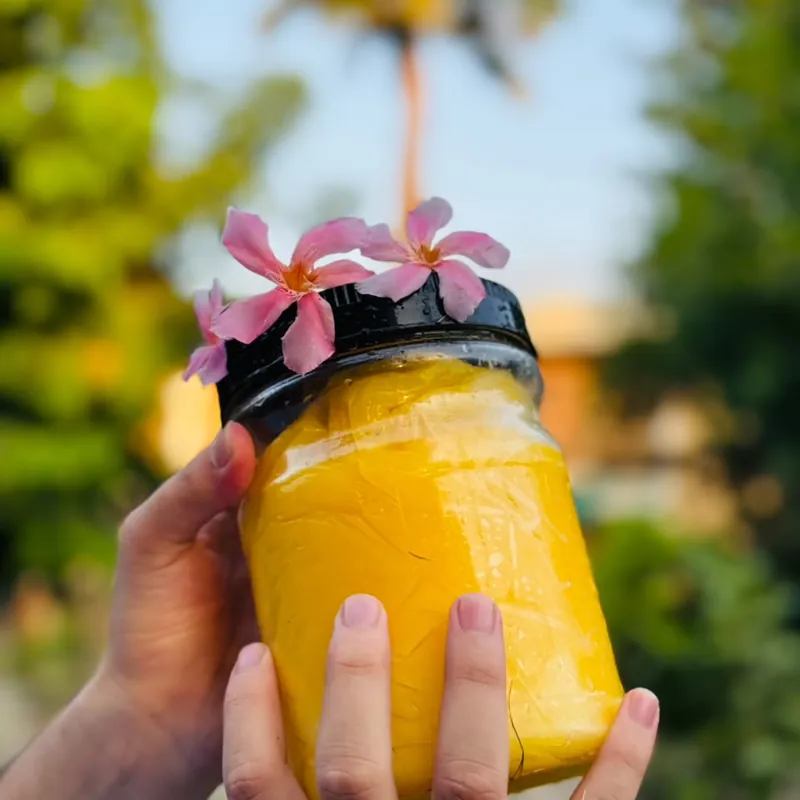
Desi ghee is one of the most loved foods in Pakistani kitchens. It is also one of the most often adulterated. Real ghee takes a lot of milk and a lot of time, so some sellers mix in cheaper fats and still call it “100% desi ghee”. If you have ever wondered what is actually in your jar, this guide covers how to check pure desi ghee with tests you can do in your own kitchen.
One honest point first. Home tests give you useful signs, not scientific proof. They can catch obvious adulteration, but only a proper lab test can confirm purity. Use several tests together rather than relying on one.
Why Is Desi Ghee Adulterated?
You need a large quantity of milk to get a small amount of ghee. Add the cost of labour, gas and time, and real ghee becomes expensive to make. Vegetable oil, banaspati (hydrogenated vegetable fat) and sometimes animal fats cost far less. Mix them in and a seller can drop the price and still make a profit. Some products also get added colour to look golden, or flavouring so they smell like ghee.
The usual tricks include:
- Mixing in banaspati or vanaspati ghee
- Mixing in refined vegetable oils
- Adding artificial colour to make it look yellow
- Adding “ghee flavour” or essence to cheap fat
- Mixing in starch or boiled potato (less common, but it has been reported)
- Selling ghee made from separator cream as traditional butter ghee
How to Check Pure Desi Ghee at Home
None of these tests need special equipment, apart from a few drops of iodine for test 6. Try them on a small sample and compare with a ghee you already trust if you have one.
Home Test 1: The Palm Test
Put a small amount of ghee, about a quarter teaspoon, on your palm. Pure desi ghee melts at close to body temperature, so it should start melting fairly quickly. If it stays solid for a long time or feels waxy, it may contain fats with a higher melting point, such as banaspati.
Limitation: In very cold weather all ghee melts more slowly. Warm your hands first.
Home Test 2: The Heating Test
Heat a teaspoon of ghee in a small pan on low flame. Pure ghee melts quickly, turns clear and golden or light brown, and smells pleasant and nutty. Be suspicious if it takes long to melt, leaves a sticky residue or turns an odd colour. A sharp or unfamiliar smell is another warning sign.
Home Test 3: The Aroma Test
The natural aroma of real desi ghee is hard to fake. Rub a little between your fingers and smell it. Ghee made from homemade butter has a slightly sour-sweet, cultured smell that comes from the yogurt. Ghee with added flavour often smells very strong at first and then fades, or smells almost perfumed. If there is hardly any smell at all, it may contain a lot of oil.
Home Test 4: The Freezing / Layer Test
Melt some ghee in a clear glass jar and put it in the fridge. Pure ghee usually sets evenly in one layer. If you see separate layers, for example an oily liquid layer over a solid one, it may be mixed with oil or other fats. This is one of the easiest tests to judge by eye.
Home Test 5: The Texture Test
When pure ghee cools slowly at room temperature, it often develops a grainy texture. Many families take this as a good sign. Ghee that is very smooth, shiny and uniform, like a tin of banaspati, can be a warning sign. Texture also depends on temperature and how the ghee was cooled, though, so don’t rely on it alone.
Home Test 6: The Iodine Test for Starch
Some adulterators add starch or mashed potato to increase weight. Put a little melted ghee in a bowl and add two or three drops of iodine solution, which you can buy from a pharmacy. If it turns purple or blue, starch is probably present. Pure ghee should not change colour like this. Handle iodine carefully and don’t eat the tested sample.
Home Test 7: The Sugar and Hydrochloric Acid Test (Not Recommended at Home)
You may have seen videos of a test that uses hydrochloric acid and sugar to detect vegetable oil. It is a real laboratory method, but strong acids are dangerous to handle at home and we don’t recommend it. If you need certainty, send a sample to a food testing lab.
Colour: What It Tells You and What It Doesn’t
A lot of people believe yellow ghee is pure and white ghee is fake. That’s a myth. The natural colour of pure ghee depends on the milk, the season and how long it was cooked, and it can be anything from white or cream to light golden. A pale ghee can be completely pure, while a bright, even yellow could mean added colour. Colour on its own tells you very little. Aroma, texture and the tests above tell you much more. You can see how real ghee is made in how desi ghee is made at home.
Warning Signs When Buying Ghee
- Very low price. If the ghee costs much less than the milk needed to make it, ask why. Read what affects desi ghee price in Pakistan.
- No information about the process. An honest seller can tell you how the ghee is made.
- Open, loose containers. It’s harder to know what was added or how it was stored.
- Unrealistic claims. “Cures all diseases” and similar claims are a red flag.
- Unusual colour. A bright, perfectly even yellow that looks artificial is suspicious.
- Perfumed smell. An overly strong “ghee” smell can mean added flavour.
Lab Testing: The Only Sure Method
Food testing labs can check the fatty acid profile, the Reichert-Meissl value and whether vegetable fats are present. In Pakistan, provincial food authorities and some private labs offer this. If you buy ghee in large quantities or use it in a business, a lab test is worth considering. [If lab report available: AsalGhee can share a copy of its latest lab report on request.]
How We Make Sure Our Ghee Is Pure
At AsalGhee we make ghee only from homemade butter, churned from yogurt set with fresh milk and cooked slowly in small batches. We don’t add oil, banaspati, colour or flavour. We’re happy for you to run every one of these tests on our ghee. You can read about our process on the About page, try a 500g jar of our pure desi ghee, or, if you live in the capital, check our desi ghee in Islamabad delivery page.
Visit Us and Check the Ghee Before You Order
Better still, test it in person. You’re welcome to visit us, see, smell and taste the ghee, and try any of the tests above yourself before you place an order. Visits are by appointment, so WhatsApp us on 0300-0111718 to book a time. Address: New Khatariyal, IJP Road, near Euro Pump and Delice Bakers, Rawalpindi.
Frequently Asked Questions
Which home test is the most reliable?
No single home test is fully reliable. The heating, aroma and freezing/layer tests together give a better picture. For certainty, use a lab test.
Is white ghee always fake?
No. Pure ghee can be white, cream or light golden depending on the milk and the season. Judge it by aroma, texture and the home tests, not colour alone.
Does grainy texture always mean pure ghee?
It’s a common sign of traditionally made ghee, but texture also depends on cooling and temperature. Treat it as one sign among several.
Can adulterated ghee pass the palm test?
Sometimes, yes, especially when it’s mixed with liquid oils. That’s why you should combine several tests.
Where can I get ghee tested in Pakistan?
Contact your provincial food authority or a private food testing lab and ask which tests they offer for ghee adulteration.
اردو خلاصہ
اصلی دیسی گھی ہتھیلی پر جلد پگھلتا ہے، گرم کرنے پر خوشگوار خوشبو دیتا ہے اور فریج میں ایک ہی تہہ میں جمتا ہے۔ بہت سستا گھی، تیز مصنوعی خوشبو یا الگ الگ تہیں ملاوٹ کی نشانی ہو سکتی ہیں۔ یاد رکھیں، گھریلو ٹیسٹ صرف اشارہ دیتے ہیں، یقینی تصدیق لیبارٹری ٹیسٹ سے ہوتی ہے۔