Part of our guide: Desi Ghee Benefits: An Honest Guide to Pure Ghee
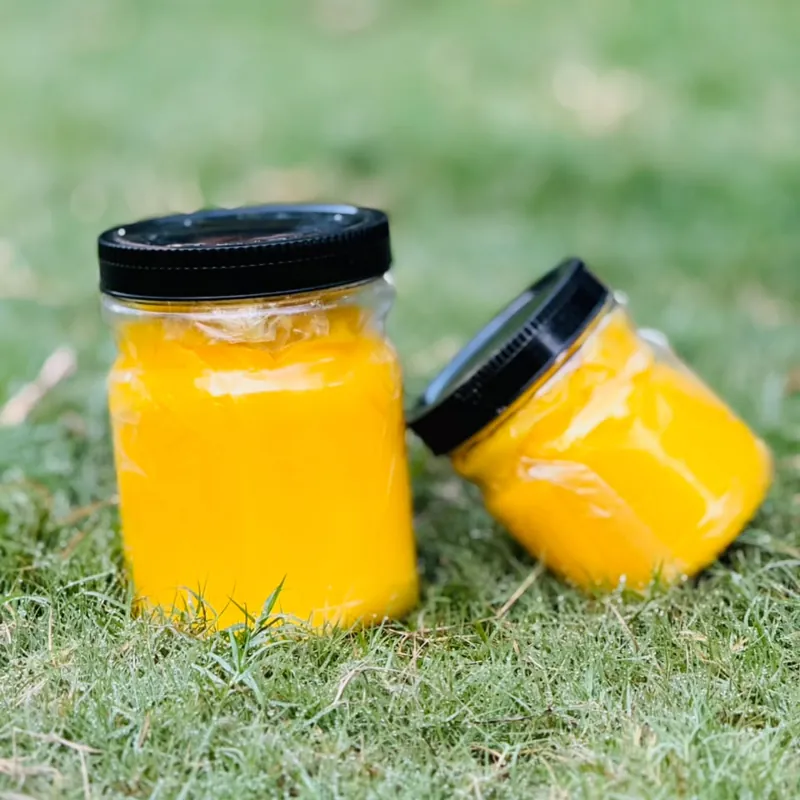
We make and sell ghee, so you might expect us to say it has no downsides. That wouldn’t be fair to you. Ghee is a rich fat, and like any rich food it can cause trouble when people eat too much of it or ignore their own health. In this post we go through the real desi ghee side effects, who needs to be careful, and how a family can keep ghee in its food without letting it take over the plate.
What Is Actually in Desi Ghee?
Ghee is butter cooked slowly until the water has gone and the milk solids have separated and been strained off. What remains is almost entirely fat. A large share of that fat is saturated fat, and even a single tablespoon carries a lot of calories.
That is the whole story behind most of the problems below. Ghee isn’t poison and it isn’t medicine. It is a concentrated fat with a lovely taste, and the taste is exactly why it is easy to use more than you meant to.
Desi Ghee Side Effects: What Can Go Wrong
Weight gain from extra calories
This is the most common one by far. A spoon of ghee on a paratha, another in the daal, a halwa after dinner, a pinni with tea. None of it feels like much, but it adds up across a day. If you’re eating more calories than you burn, the extra goes on as weight, whether it comes from ghee, oil or sugar.
A simple fix we suggest to customers: use a teaspoon, not the jar. Pouring straight from the jar is how a “little” ghee becomes three tablespoons.
Cholesterol going up in some people
Saturated fat can raise LDL cholesterol in some people. Bodies differ, so one person can eat ghee for years with normal reports while another sees numbers climb. If you already have high cholesterol or a family history of it, this is the side effect to take seriously. We wrote a longer post on desi ghee and cholesterol if you want the detail.
Heaviness, acidity and loose stools
Very rich meals sit heavily in the stomach. Some people get acidity or a burning feeling after fried food or a big plate of halwa. Others, especially if they suddenly start taking ghee on an empty stomach, get loose motions. Starting with a small amount and building up slowly usually avoids this. If it keeps happening, cut back and talk to a doctor.
Problems that come from bad ghee, not ghee itself
Some complaints we hear are really about poor quality ghee: a sour or rancid smell, a burnt aftertaste, or a heavy feeling that doesn’t match the small amount eaten. Ghee that has been stored with moisture, kept in sunlight, or mixed with vegetable fat behaves differently. Buy from someone you can ask questions to, and store it properly. Our post on desi ghee shelf life and storage covers the storage side.
Is Desi Ghee Good for Heart Patients?
We get this question a lot, often from children asking on behalf of a parent. The honest answer is that it isn’t our call to make. Heart patients are usually advised to limit saturated fat, and ghee is mostly saturated fat. Some cardiologists are fine with a small amount, others want it cut out for a while after a heart problem. It depends on the person, their reports and their medicines.
If someone in your house has heart disease, please ask their doctor how much ghee, if any, is right for them. Then measure it. “A little” means different things to different people.
Desi Ghee for Diabetes
Ghee itself contains almost no sugar, so on its own it doesn’t push blood sugar up the way sweets do. The catch is where ghee usually shows up. Halwa, laddu, pinni, sweet churi and parathas all come with flour or sugar, and that combination is what matters for someone with diabetes. Extra calories and weight gain also make diabetes harder to control.
People with diabetes often have cholesterol or heart concerns too. So the same advice applies: talk to your doctor or dietitian about how much fat fits your plan, and be careful with ghee-heavy sweets in particular.
Desi Ghee and Uric Acid
Uric acid and gout are mostly linked with things like red meat, organ meat, some seafood, sugary drinks and excess weight. Ghee isn’t usually the main item on those lists. That said, being overweight can make uric acid problems worse, and rich ghee meals tend to travel with mutton, nihari and paya. If you have high uric acid or gout attacks, ask your doctor about your whole diet, ghee included, rather than going by what you read online.
Desi Ghee for Fatty Liver
Fatty liver has become very common, and a lot of it is tied to excess weight, sugar and a sedentary routine. People with fatty liver are generally told to watch total calories and fats and to lose some weight if they can. That doesn’t automatically mean zero ghee for everyone, but it does mean large amounts are a bad idea. Your doctor will tell you what level is reasonable for your liver reports.
How Much Ghee Makes Sense?
We won’t give you a number, because the right amount for a young person who walks to work is not the right amount for a retired uncle with blood pressure tablets. What we can share is how sensible families tend to use it:
- Use ghee for taste, not as the main cooking fat for every dish.
- Measure with a teaspoon. Keep a small spoon in the kitchen just for this.
- Pick one rich item a day. If lunch was a ghee paratha, dinner can be lighter.
- Keep ghee sweets for weekends, guests and winter treats.
- Eat plenty of vegetables, salad and yogurt with rich food.
- Stay active. A 30-minute walk after dinner is an old habit for a reason.
If you’re healthy, a modest amount of ghee in a balanced diet is how most Pakistani families have always eaten. The benefits people talk about, which we cover in desi ghee benefits, only make sense when the amount is reasonable.
Can Ghee Cause Pimples or Skin Problems?
Some people find a very rich, oily diet goes along with breakouts, though skin is complicated and depends on many things. Putting ghee directly on the face can also clog pores for people with oily or acne-prone skin. If your skin reacts, stop and see what changes. A patch test on the arm before using anything on your face is always sensible.
A Note from Our Kitchen
At AsalGhee we make one product, desi ghee slow-cooked from homemade butter in small pots. We’d rather you buy a 500g jar and use it well than buy 3kg and feel unwell. If you want to see what we make before deciding, you’re welcome to visit us in New Khatariyal, Rawalpindi, or order our desi ghee online with delivery across Rawalpindi and Islamabad.
Frequently asked questions
What are the main desi ghee side effects?
The common ones are weight gain from extra calories, a rise in cholesterol in some people, and heaviness or acidity after very rich meals. Most of these come from eating too much rather than from ghee itself.
Can heart patients eat desi ghee?
Some can in small amounts, some are told to avoid it. It depends on the person and their reports, so ask the treating doctor before adding ghee back into the diet.
Is desi ghee safe for people with diabetes?
Ghee has almost no sugar, but it is high in calories and often comes in sweets and parathas. Ask your doctor or dietitian how much fits your diet plan.
Does ghee increase uric acid?
Ghee is not usually the main food linked to uric acid, but extra weight and heavy meat dishes can make things worse. Ask your doctor about your full diet if you have gout or high uric acid.
Should I stop ghee if I have fatty liver?
Not necessarily stop completely, but most people with fatty liver are told to cut down on fats and calories. Your doctor can tell you a sensible limit.
اردو خلاصہ
دیسی گھی زیادہ تر سیچوریٹڈ چکنائی پر مشتمل ہے اور اس میں کیلوریز زیادہ ہوتی ہیں، اس لیے زیادہ استعمال سے وزن اور کولیسٹرول بڑھ سکتا ہے۔ دل کے مریض، شوگر، فیٹی لیور یا یورک ایسڈ کے مسئلے والے افراد گھی کی مقدار کے بارے میں اپنے ڈاکٹر سے مشورہ کریں۔ گھی کو چمچ سے ناپ کر اور اعتدال سے استعمال کریں۔