Part of our guide: Desi Ghee Benefits: An Honest Guide to Pure Ghee
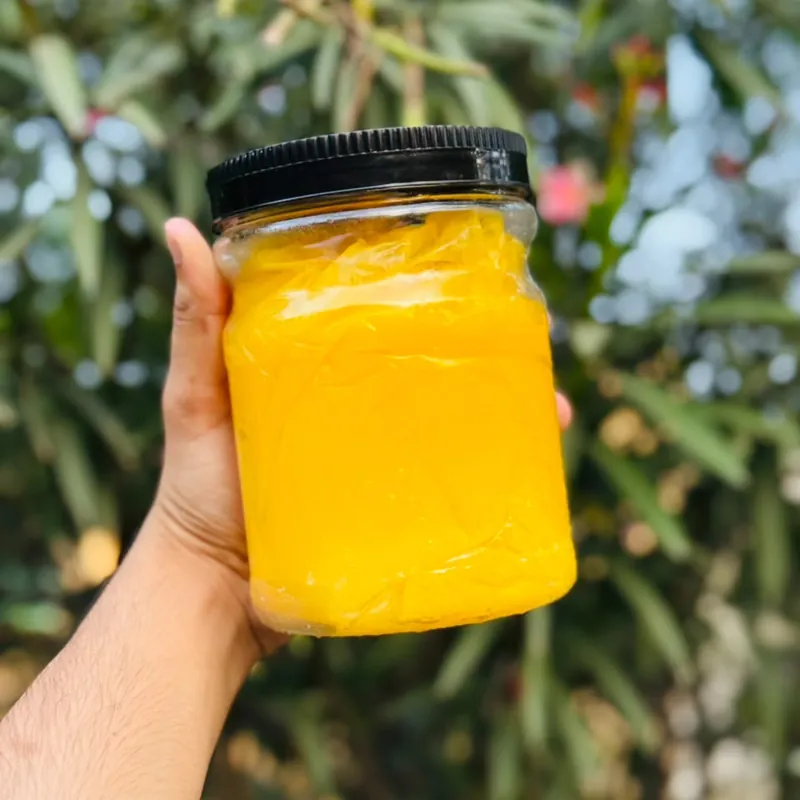
When the cold wind comes down from the Margalla Hills and fog settles over Rawalpindi, Pakistani kitchens change. Gajar ka halwa on the stove, pinnis being rolled, saag simmering for hours, parathas crisping on the griddle. This is the season when desi ghee really comes into its own. Here we look at desi ghee in winter: why it has always been part of cold-weather food in our region, the traditional dishes, some practical tips, and how to enjoy it without overdoing it.
Why Is Desi Ghee Popular in Winter?
Some of the reasons are practical and some are just tradition:
- Energy: Many people feel hungrier in the cold and want warm, filling food. Ghee is energy-dense, so it has always gone into hearty winter meals.
- Tradition: In Punjab, Khyber Pakhtunkhwa and the northern areas, winter recipes handed down through families use ghee as a main ingredient.
- Seasonal produce: Winter brings carrots, mustard greens, fenugreek and radish, all of which go well with ghee.
- Dry skin: Many families put a little ghee on dry lips and cracked heels in winter.
Our elders often say ghee “keeps the body warm”. That belief comes from its energy content. It’s a comforting food, not a medical treatment.
Traditional Winter Foods Made with Desi Ghee
1. Pinni
Pinni is the best-known Punjabi winter sweet. Whole wheat flour is roasted slowly in desi ghee until golden and fragrant, then mixed with sugar or jaggery, almonds, walnuts and pistachios, and sometimes edible gum and dried coconut. The mixture is pressed into round balls. Lots of families make a big batch at the start of winter and have one with milk in the morning.
2. Panjiri
Panjiri is like a loose pinni. Wheat flour or semolina is roasted in ghee and mixed with dry fruit, seeds and sugar. Many homes keep a jar of it through the winter.
3. Gajar ka Halwa (Gajrela)
Red winter carrots are grated and cooked slowly in milk until thick, then finished with desi ghee, sugar, khoya (milk cooked down until solid) and nuts. The ghee is what gives gajrela its shine and rich taste.
4. Sarson ka Saag with Makki ki Roti
Mustard greens cooked for a long time, finished with a generous tarka of desi ghee, garlic and green chillies, and served with makki ki roti and a little butter or ghee on top. It doesn’t get more Punjabi than this.
5. Desi Ghee Parathas
A hot, flaky paratha on a cold morning is hard to beat, especially one stuffed with potato, radish or fenugreek, cooked in ghee and eaten with chai or yogurt.
6. Alsi ki Pinni
This one is made with roasted flaxseed, wheat flour, jaggery and ghee. Many families make it for the older members of the house in winter.
7. Daal and Soup with Ghee Tarka
A plain daal or yakhni turns into proper winter comfort food once you pour a spoon of hot ghee with cumin and garlic over the top.
8. Haleem and Nihari
Both are slow-cooked winter favourites, often finished with a tarka of ghee and fried onions.
Simple Winter Habits with Ghee
- A little ghee on hot roti instead of an extra helping of curry.
- Half a teaspoon in warm milk at night, a habit in a lot of families.
- Dry fruit lightly roasted in ghee as a quick snack.
- A spoon of ghee stirred into khichdi on a cold evening.
- Ghee for the tarka on daal and saag.
Enjoying Ghee Sensibly in Winter
Winter food is rich and it’s easy to overdo it. Pinni, halwa, parathas and fried snacks all add up. A few things that help:
- Measure portions: Use a teaspoon instead of pouring straight from the jar.
- Balance your plate: Eat rich dishes with vegetables, salad and yogurt.
- Keep moving: Short days make people less active. A daily walk helps.
- One sweet a day: Have one pinni, not three.
- Medical conditions: If you have heart disease, high cholesterol, diabetes or high blood pressure, ask your doctor how much ghee and sweet food is safe for you. See desi ghee and cholesterol.
Storing Ghee in Winter
Ghee goes solid in winter and can turn grainy. That’s normal and doesn’t mean it has gone off. Some tips:
- Keep the jar in a cool, dry cupboard. There’s no need to refrigerate it in winter.
- If it’s too hard to scoop, stand the closed jar in a bowl of warm water for a few minutes.
- Never put a wet spoon in the jar. Moisture is the main reason ghee spoils.
- Don’t keep the jar right next to the stove or a heater.
Which Ghee Is Best for Winter Recipes?
For pinni, halwa and parathas you want a ghee with a rich taste and a full aroma. For everyday cooking, khichdi and warm milk, a small amount is enough. Our pure desi ghee, made from homemade butter in small batches, works for all of these. If you want to check any ghee for yourself, read how to tell pure ghee from fake.
Order Early for Winter
Demand for pure desi ghee jumps in November, December and January. Since AsalGhee is made in small batches from homemade butter, we can run out during the peak months. If you’re planning to make pinni or gajar ka halwa, it’s worth ordering a 2kg pack, or the 3kg family pack with free delivery, early from our shop. Delivery takes 3 to 5 days, so order a little before you plan to cook. See desi ghee in Islamabad for delivery areas.
Frequently Asked Questions
Why does my ghee become hard in winter?
Ghee is a fat that solidifies at lower temperatures. In winter it sets solid and may look grainy. This is normal.
Does desi ghee keep the body warm?
That’s a traditional belief. Ghee gives you energy, and warm, rich food feels comforting in the cold. It isn’t a medical treatment for colds.
How much ghee is needed for pinni?
It depends on the recipe and how much you’re making. Most home recipes use a generous amount to roast the flour. Follow a family recipe you trust and adjust from there.
Can I give ghee in milk to children in winter?
Many families do. For infants and young children, ask your paediatrician first. See desi ghee for kids.
Should I refrigerate ghee in winter?
Usually not. A cool, dry cupboard is fine.
اردو خلاصہ
سردیوں میں دیسی گھی پنی، پنجیری، گاجر کے حلوے، ساگ اور پراٹھوں کا لازمی حصہ ہے۔ سردی میں گھی کا جم جانا اور دانے دار ہونا قدرتی بات ہے۔ گھی کو اعتدال سے استعمال کریں اور کسی بیماری کی صورت میں ڈاکٹر سے مشورہ کریں۔