Main guide in Cooking & Kitchen
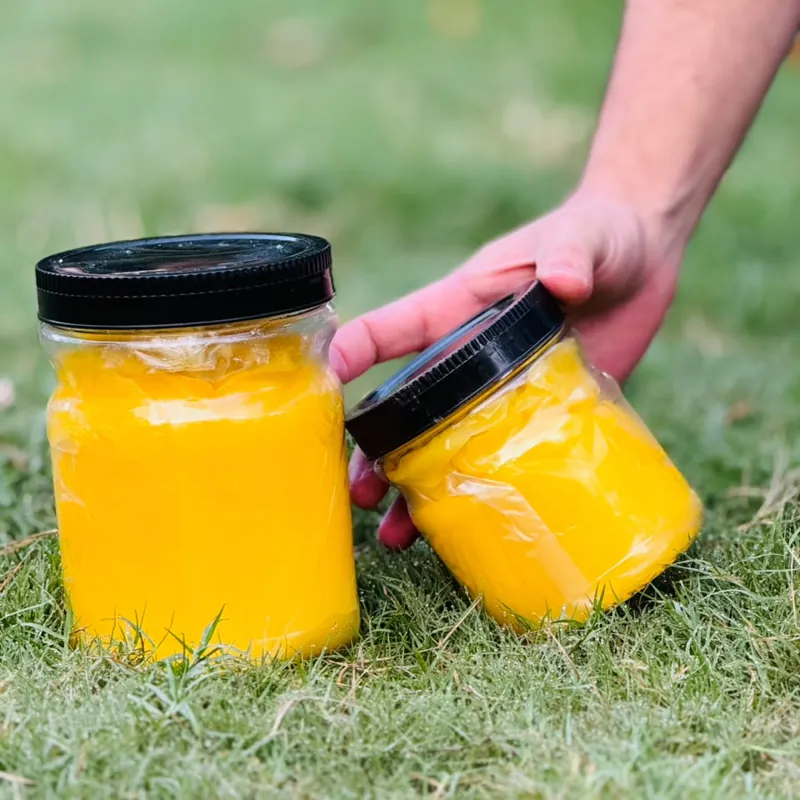
Walk into most kitchens in Islamabad and Rawalpindi and you’ll find two containers next to the stove: a big tin or bottle of cooking oil and a smaller jar of ghee kept for special things. Over the last twenty or thirty years, a lot of families moved from ghee to oil for everyday cooking, and now some are moving back. This post compares desi ghee vs cooking oil in a practical way: what’s different about them, which suits which dish, and what to think about if you have a health condition.
We sell ghee, so we’re not neutral. We’ll still tell you where oil makes more sense.
What’s Actually Different?
Desi ghee is butter that has been slowly cooked until the water evaporates and the milk solids separate out. What’s left is almost pure milk fat. If you want to see how that’s done, read how desi ghee is made at home.
Cooking oils are pressed or extracted from seeds and fruits: canola, sunflower, soybean, corn, olive and so on. Most of the oils sold in Pakistan are refined, which means they’ve been processed to give a neutral taste and a long shelf life.
The main nutritional difference is the type of fat:
- Ghee is mostly saturated fat. It’s solid or grainy at room temperature in winter.
- Most vegetable oils are mostly unsaturated fats. They stay liquid.
Calories are close to identical. A teaspoon of ghee and a teaspoon of oil carry about the same energy.
Desi Ghee vs Cooking Oil: Side by Side
| Desi ghee | Typical refined cooking oil | |
|---|---|---|
| Made from | Butter, slow-cooked | Seeds or fruit, pressed and refined |
| Main fat type | Mostly saturated | Mostly unsaturated |
| Taste | Rich, nutty, noticeable | Neutral |
| High-heat cooking | Handles it well, doesn’t burn as easily as butter | Depends on the oil |
| Best for | Tarka, parathas, halwa, rice, sweets | Everyday salan, deep frying in bulk |
| Cost per kg | Higher | Lower |
Ghee or Oil: Which Is Better for Cooking?
In the desi ghee vs cooking oil question, neither wins on every dish. In our own kitchen we use both, and this is roughly how it breaks down:
Where ghee does a better job
- Tarka on daal. Cumin and garlic sizzled in ghee smell completely different from the same thing in oil.
- Parathas. They come out flakier and taste richer.
- Rice and pulao. A spoon of ghee at the end gives each grain a shine.
- Halwa, pinni and other sweets. Most traditional recipes simply don’t taste right with oil.
- Roasting dry fruit or semolina. Ghee browns them evenly and adds flavour.
Where oil makes more sense
- Deep frying pakoras or samosas in bulk. You need a lot of fat, and oil is far cheaper.
- Salads and dressings. Ghee sets solid when it cools.
- Dishes where you want a clean taste and the spices to do the talking.
Plenty of families split the difference: cook the salan in oil and finish with a small spoon of ghee for aroma. That gives you most of the flavour with a lot less ghee.
Is Ghee Healthier Than Oil?
This is where we have to be careful, because the honest answer is “it depends on the person and the oil”.
Ghee is high in saturated fat, and many doctors advise people with heart disease or high cholesterol to keep saturated fat low. On the other hand, ghee is a simple, traditional food with no additives, and many people prefer it to heavily processed products. Our post on desi ghee and cholesterol looks at this in more detail.
For a healthy person, the bigger issue is usually quantity, not which fat. A family that uses half a litre of oil a week in its cooking will probably do better cutting back than switching. If you have heart disease, diabetes, high cholesterol or high blood pressure, ask your doctor which fats and how much suit you.
Desi Ghee vs Olive Oil
Olive oil, especially extra virgin, is mostly monounsaturated fat and is widely recommended in general healthy-eating advice. It’s lovely on salads and for light cooking.
The trouble in a Pakistani kitchen is that extra virgin olive oil has a strong taste that doesn’t always suit desi food, and it’s expensive here. Pomace or “cooking” olive oil is more neutral but is a different, more processed product. Many people use olive oil for salads and lighter dishes and keep ghee for tarka and parathas. That seems sensible to us.
Desi Ghee vs Canola Oil
Canola is the oil many Pakistani families switched to on their doctor’s advice. It’s low in saturated fat, cheap, neutral in taste and fine for everyday salan. Where ghee wins is flavour. A dish cooked in canola and finished with a little ghee usually tastes closer to what people remember from home.
Desi Ghee vs Dalda Ghee (Vanaspati)
This is the comparison that matters most, because the two are often confused. “Dalda” has become the everyday word for vanaspati, a solid cooking fat made from vegetable oils that have been hardened in a factory. It looks a bit like ghee and is sold in similar tins, but it isn’t made from butter at all.
Hardening oils this way has historically produced trans fats, which health authorities around the world advise avoiding. Recipes and regulations have changed over the years, so read the label on any vanaspati you buy. Either way, it’s a different product from desi ghee, and it doesn’t have the same taste or smell.
Some cheaper “desi ghee” sold loose in markets is actually mixed with vanaspati or oil. If you want to understand why prices vary so much, see our post on desi ghee price in Pakistan.
A Sensible Way to Use Both
- Use oil for bulk cooking and deep frying.
- Keep ghee for the dishes where you can taste it.
- Measure with a teaspoon instead of pouring.
- Count all your fats together, ghee and oil, when you think about how much you’re eating.
Used like this, a 1kg jar of ghee lasts a family of four a good while. Our Desi Ghee comes in 500g, 1kg, 2kg and 3kg packs, made from homemade butter and slow-cooked in small pots. If you’d like to compare it with what’s in your kitchen, you can visit us in New Khatariyal near Shell Pump Road and taste it first; book on WhatsApp at 0300-0111718. Delivery details are on our desi ghee in Rawalpindi page.
Frequently asked questions
Can I replace cooking oil completely with desi ghee?
You can, but most people don’t need to. Ghee is high in saturated fat and costs more. Using it for flavour and oil for bulk cooking is a practical middle ground. If you have a heart condition, ask your doctor first.
Is desi ghee better than oil for frying?
Ghee handles heat well and gives a good flavour, but deep frying uses a lot of fat. For that, most families use oil to keep the cost and the amount of saturated fat down.
Is Dalda the same as desi ghee?
No. Vanaspati is made from hardened vegetable oil. Desi ghee is made from butter. They look similar in a tin but are different products.
Which oil is best to use along with ghee?
Many families use canola or sunflower oil for everyday cooking and keep ghee for tarka, parathas and sweets. Your doctor can advise if you have specific health needs.
Does ghee have more calories than oil?
No. They’re almost the same per teaspoon, so swapping one for the other won’t change your calories.
اردو خلاصہ
دیسی گھی اور کوکنگ آئل دونوں کی اپنی جگہ ہے۔ تڑکے، پراٹھے اور میٹھوں کے لیے دیسی گھی، اور زیادہ تلنے کے لیے تیل بہتر ہے۔ بناسپتی اور دیسی گھی ایک چیز نہیں۔ دل یا کولیسٹرول کے مریض ڈاکٹر سے پوچھ کر استعمال کریں۔