Part of our guide: Desi Ghee Benefits: An Honest Guide to Pure Ghee
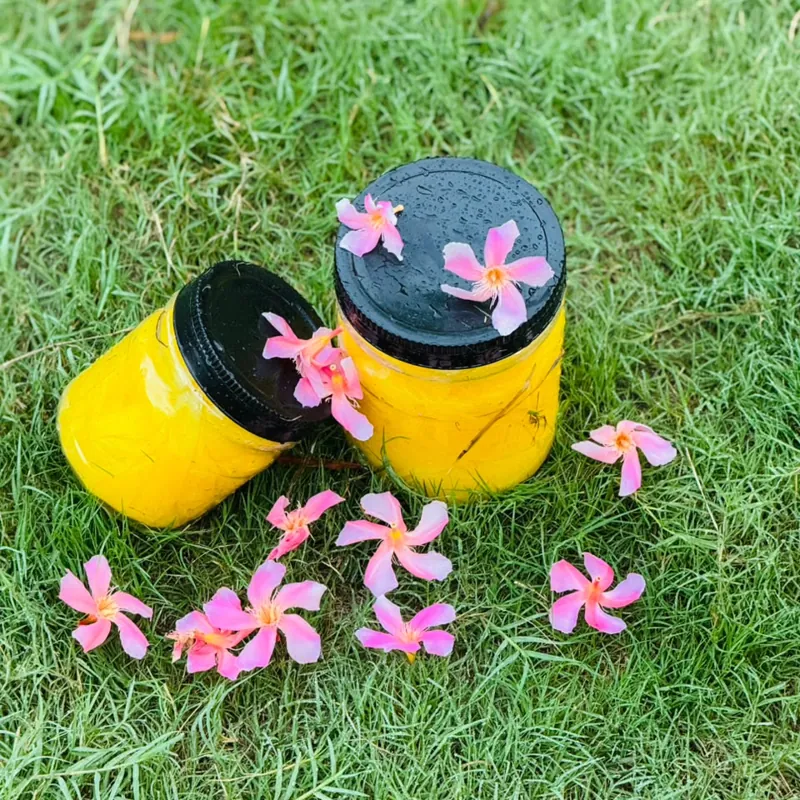
Long before lip balm came in little tubes, most grandmothers in Punjab kept a small bowl of ghee on the shelf for cracked lips and dry heels. A lot of our customers still do. We get asked about desi ghee for hair and skin often enough, especially once winter sets in, that we wanted to write down how families here traditionally use it, what to expect, and when it’s better not to use it at all. We sell ghee for eating, so please read this as kitchen-table advice, not dermatology.
Why people put ghee on their skin
Ghee is almost pure fat. Put a thin layer on dry skin and it sits on the surface, softening it and slowing down how quickly the skin dries out. That’s really the whole idea. It works in a similar way to many plain oils and balms, and it has been used like this in South Asian homes for a very long time.
What ghee won’t do is change your skin colour. You’ll see claims online that it makes skin fairer. We don’t believe that, and we’d ask you not to buy ghee, ours or anyone’s, for that reason. Use it for dryness and comfort, nothing more.
Before you start: do a patch test
Everyone’s skin is different. Some people use ghee for years without a problem. Others break out after two nights. So before putting it on your face, try this:
- Rub a tiny amount on the inside of your forearm or behind your ear.
- Leave it for a full day.
- If you see redness, itching, bumps or a rash, don’t use it on your face.
Even if the patch test is fine, start with one or two evenings a week rather than every night.
Desi ghee for hair and skin: traditional uses
Ghee for skin in winter
This is where ghee is most useful. Islamabad and Rawalpindi winters are dry, and gas heaters make it worse. Many families rub a little warm ghee on rough elbows, knees, hands and cracked heels before bed, then pull on cotton socks for the feet. A pea-sized amount covers a lot of skin. More than that just ends up on your sheets.
Desi ghee lip balm
Probably the most common home use of all. Dab a very small amount on chapped lips at night. It’s food-safe, so there’s no worry if you lick your lips. Some people mix a drop of ghee with a little honey and leave it on for a few minutes before wiping off. Keep a tiny clean container for this rather than dipping fingers into your cooking jar.
Desi ghee under eyes
Some people dab a tiny bit of ghee under the eyes at night when that skin feels dry and tight. If you try it, use very little, keep it well away from the eye itself, and stop if your eyes sting or the area gets puffy or bumpy. Ghee won’t remove dark circles. Those usually come down to sleep, genetics or other factors that a fat can’t change.
Ghee on face overnight
This is the use we’re most careful about. Leaving ghee on your whole face all night can feel lovely on very dry skin. On oily or acne-prone skin, it can block pores and lead to spots. If you want to try it, use the smallest amount, only on dry patches, and wash your face gently in the morning. If you notice new pimples within a few days, stop.
Desi ghee for hair growth: what’s realistic
We hear a lot of hopeful stories about ghee and hair growth. Here’s an honest view. Massaging the scalp with a little warm ghee or oil is a very old habit, and many people find it relaxing and feel it helps with a dry, flaky scalp. A small amount on the ends of dry hair can make them feel softer and less frizzy.
What we can’t tell you is that ghee makes hair grow faster or stops hair fall. Hair loss has many causes, from diet and stress to thyroid problems and hormones, and if you’re losing a lot of hair, a doctor is the right person to see.
If you’d like to try a ghee hair treatment:
- Warm a teaspoon or two until just melted. Test it on your wrist so it isn’t hot.
- Massage gently into the scalp, or work it into the ends only.
- Leave it for 30 minutes to an hour.
- Wash out with shampoo. Ghee is heavier than most hair oils, so you may need to shampoo twice.
Once a week is plenty. If your scalp is oily or you get dandruff that gets worse with oils, skip it.
Desi ghee side effects on face
This part matters, so we’ll be plain about it.
- Breakouts: Some people get pimples or small white bumps from ghee on the face, particularly on the nose, chin and forehead. If that happens, stop.
- Irritation: Redness or itching means your skin doesn’t agree with it.
- Greasy residue: Too much ghee leaves skin shiny and attracts dust, which is not ideal on a busy road in Pindi.
- Stale ghee: Old ghee that smells sour or sharp has gone rancid. Don’t eat it and don’t put it on your skin.
- Broken skin: Don’t put ghee on open wounds, burns, rashes or infections. See a doctor for those.
If you have eczema, acne or any skin condition you’re already being treated for, ask your dermatologist before adding anything new, ghee included.
Does the quality of ghee matter?
Yes, if you’re using desi ghee for hair and skin, quality matters as much as it does in the kitchen. Whatever goes on your skin, you want it clean and pure, not mixed with vegetable fat or flavouring. Ghee made from butter and properly cooked has no water left in it, so it doesn’t go off quickly. Mixed or poorly made ghee can smell odd, spoil sooner and feel waxy. If you aren’t sure about the ghee you have, our post on how desi ghee is made at home explains what the real process looks like.
Our Desi Ghee is made from homemade butter in small pots, and most people buy it for cooking, then keep a spoonful aside in a small jar for lips and heels. That’s a sensible way to do it. Taking a spoon out for your skin and putting it back in the cooking jar isn’t.
Eating ghee versus applying it
Some people believe a little ghee in the diet helps keep skin from feeling so dry in winter. It’s a traditional belief rather than something we can prove, and a balanced diet with enough water does more than any single food. If you want to read about ghee as food, our post on desi ghee benefits covers the traditional uses, and desi ghee in winter has the seasonal recipes.
If you’re in the twin cities and want to try our ghee, delivery takes 3 to 5 days. You can also book a visit on WhatsApp (0300-0111718) to taste it first. See desi ghee in Islamabad for delivery details.
Frequently asked questions
Can I apply desi ghee on my face every day?
Some people with very dry skin do, but most do better with a couple of times a week. If you get spots or your skin feels clogged, cut back or stop.
Is ghee good for dry lips?
Many families have used it this way for generations. A very small amount at night softens chapped lips. Keep a separate small jar so your cooking ghee stays clean.
Does ghee lighten skin?
No. We don’t recommend ghee for changing skin colour, and you should be wary of anyone selling it that way.
Can desi ghee cause pimples?
Yes, for some people. Oily and acne-prone skin is more likely to react. Always patch test, and stop if new breakouts appear.
Should I use melted or solid ghee on my hair?
Gently melted ghee is easier to spread. Warm it just enough to soften, check the temperature on your wrist, and never put hot ghee on your scalp.
اردو خلاصہ
بہت سے گھروں میں دیسی گھی سردیوں میں خشک ہونٹوں، ایڑیوں اور جلد پر لگایا جاتا ہے، اور کچھ لوگ اس سے سر کی مالش بھی کرتے ہیں۔ چہرے پر لگانے سے پہلے پیچ ٹیسٹ ضرور کریں، کیونکہ کچھ لوگوں کو اس سے دانے نکل آتے ہیں۔ گھی رنگ گورا نہیں کرتا، اور جلد کی کسی بیماری میں ڈاکٹر سے مشورہ کریں۔